
Ideas Matter: The West Has The Best
By O. Henry Swartzentruber
Ronald Reagan famously warned that "freedom is never more than one generation away from extinction." In our present world of instability and ideological clashes, recent global news suggests that Western Civilization, though constantly challenged, has gotten its groove back. The West still has the best ideas.
Indeed, the contrast between competing systems is regularly underscored through current events. Two weeks ago, Iran's President Masoud Pezeshkian declared, "In my view, we are in an all-out war with the U.S., Israel, and Europe." Warring with the West is not a new idea. But the quote is a chilling admission from a regime that recently killed 12,000 of its own protesting citizens, while simultaneously blacking out the internet. Russian dignitaries have made similar statements ("we are at war with the West") and done similar things.
Our foundational principles in Western civilization demonstrate an unparalleled capacity for fostering prosperity, innovation, and human flourishing. The West's enduring strength is not simply geopolitical power, but a testament to ideals prioritizing individual liberty, responsible governance, and open, freedom-driven economic systems.
A profound contributor to this framework is the beautiful influence of Christianity, which is why the West is referred to as "Christendom." Its emphasis on the dignity of the individual, the sanctity of all life, private property rights, and the rule of law has built societies conducive to freedom and individual prosperity. This is why, as a Venezuelan friend recently shared with me, the U.S. system of government—rooted in Western principles—represents a superior path to human flourishing. Attacking the West is often an attack on Christian principles.
As Reagan cautioned us, freedom requires work and vigilance. The West's core strength lies in its commitment to consistently elevate human dignity over coercion; freedom over force. This fundamental distinction becomes obvious when considering divergent foundational frameworks (East vs. West). When New York City's new mayor swore an oath on the Quran, it highlighted a significant philosophical divergence: the framework outlined in the Quran, unlike Western constitutional traditions, does not elevate individual human dignity over coercion. This philosophical gulf is scary to me, and presents challenges for societies (like NYC) integrating differing foundational legal and ethical principles. New York, we have a problem.
The unwavering adherence to the rule of law in the West ensures fairness and predictability, protecting both individuals and their businesses. Compare Venezuela, and the comments of the ExxonMobil CEO, who has lost personal property through government confiscation more than once. Further, free expression and association allow for the open exchange of ideas, critical debate, and the peaceful address of government mistakes through public discourse and free, fair elections—an obvious contrast to the suppression witnessed in Iran, Venezuela, Cuba, and the USSR. History consistently shows that systems prioritizing ideological control over individual liberty inevitably sacrifice freedom and prosperity. And authoritarians always lose their grip.
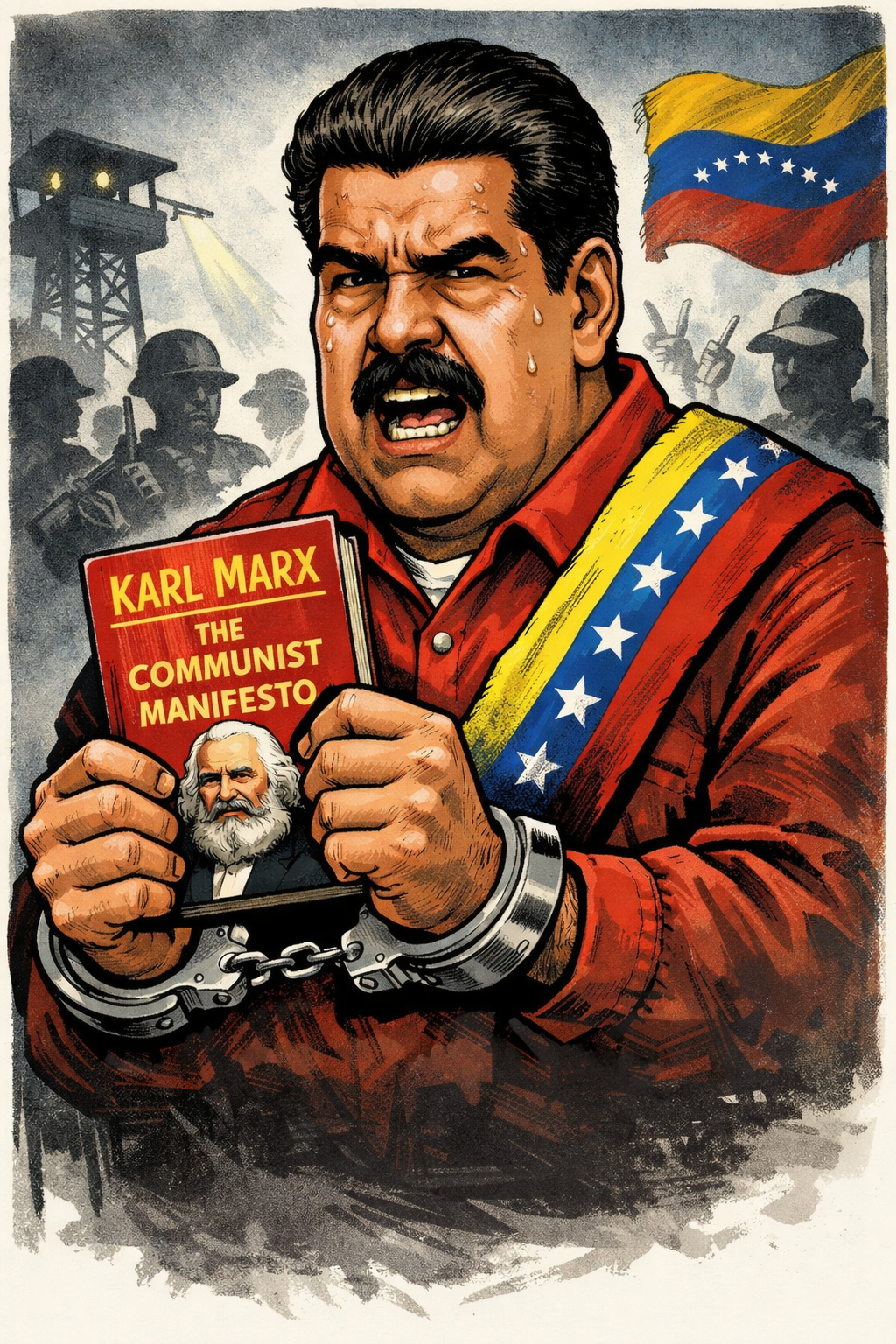
Even as an imperfect union, the United States stands as an example of why Western ideals remain great. Conversely, the realities in nations that have abandoned these principles are stark. Cuban-influenced Venezuelan Marxist-Leninism, for instance, under the Chavez-Maduro regimes, has produced a devastating combination of economic scarcity, idea repression, and mass emigration; citizens "voting with their feet." Similarly, states like Somalia and Iran, operating under governance systems that lack a firm basis in the rule of law and curtail individual freedoms, face significant challenges in achieving prosperity and democratic accountability. Like Mamdani, many citizens of "the East" emigrate to live in the West.
Ultimately, ideas matter. The principles that have shaped the West – individual liberty, limited governance, rule of law, and the dignity of the human person, all flowing from Christianity – are not relics but forces for good and critical for human progress and well-being. Their continued embrace is why the West, despite its challenges, remains the best.